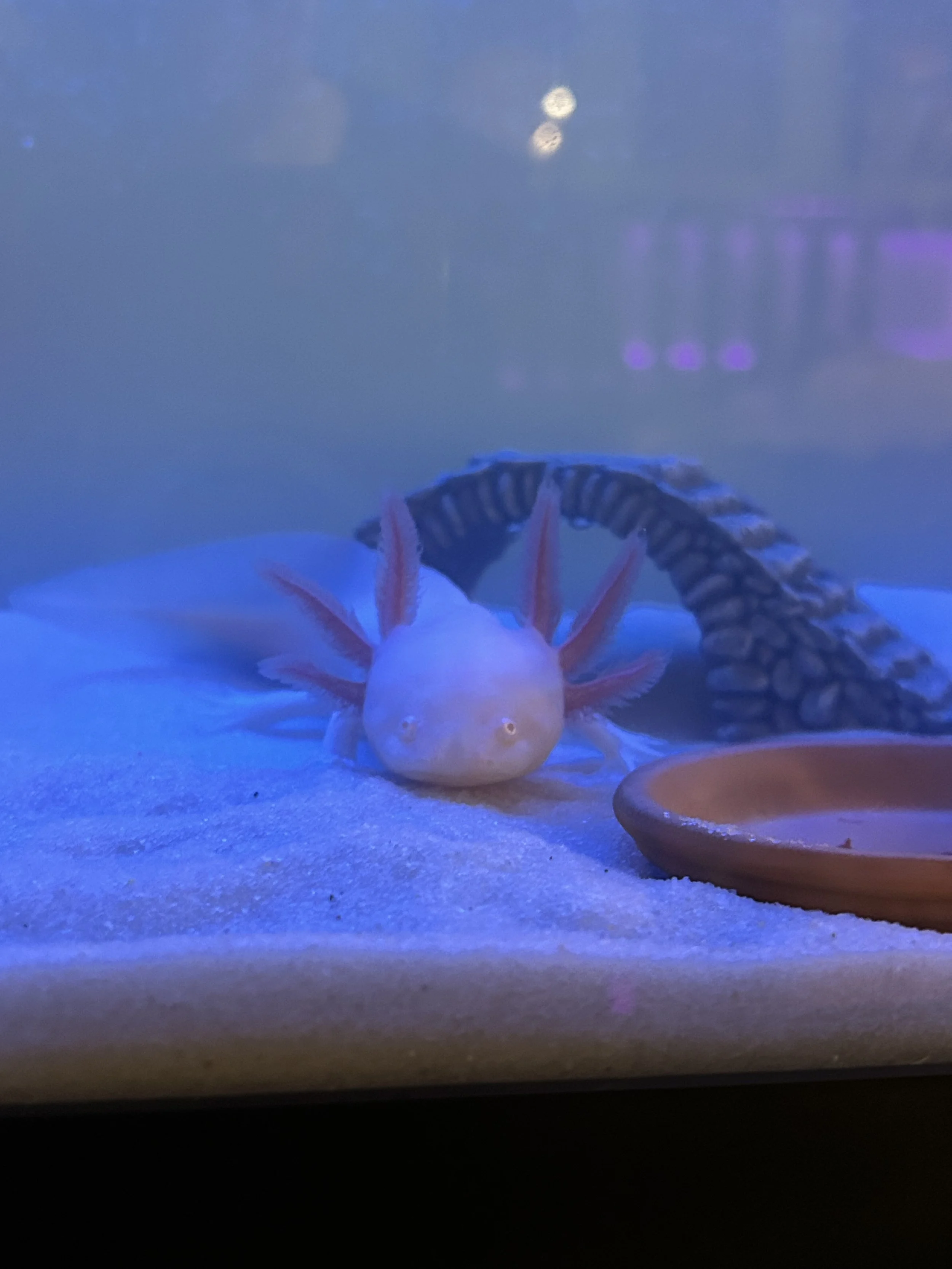
Who We Are
Hi! I’m Dani, the owner and founder of YYC Axolotl Sanctuary.
I’ve always had a special connection to animals, especially my four-legged friends. Over the years, I’ve volunteered with various rescues across the country—from Montreal, to Iqaluit, to Calgary—and I am a firm believer in “adopt, don’t shop.” That passion for animal welfare is what eventually led me to the world of axolotls.
My love for axolotls began through my eldest daughter. They’ve always been “her thing”—from tiny trinkets to t-shirts, axolotls were a big part of her personality. One day, while visiting a local pet store, we saw one in person for the first time, and suddenly the idea of bringing one home felt real.
After a year of planning and research, we surprised her with our very first axolotl, Bubbles. Despite all the preparation, I quickly found myself overwhelmed—constantly worrying about water parameters, feeding, and tank setup. I started to question whether I was doing things right.
That doubt hit its peak one night after I shared a simple photo online and was harshly criticized by a stranger for how I was caring for him. At 3 a.m., I sat in bed feeling defeated, like I was failing this incredible animal. The next morning, I was lined up outside a pet store before it even opened, determined to do better. In that moment, I made a promise to myself: I would learn everything I could and never let fear or judgment stop me from giving my animals the care they deserve.
Since then, I’ve fully immersed myself in the world of axolotls—and somewhere along the way, I may have even surpassed my daughter’s love for them. Our family has since welcomed four more axolotls, and every time I see one in a pet store, it’s harder not to bring them all home.
These incredible creatures have brought me so much more than I ever expected. They’ve helped me through difficult times, taught me to slow down and appreciate quiet moments, and ultimately gave me a renewed sense of purpose when I needed it most.
Through my experience, I began to notice a gap in local education and support. Many people want to do the right thing but don’t always have access to clear, compassionate guidance. There is also a growing need for safe, responsible rehoming options when circumstances change.
That’s why I created YYC Axolotl Sanctuary—to provide a safe, judgment-free space where people can learn, ask questions, and find support. While I wish I could keep every axolotl I come across, my goal is to advocate for them in a meaningful way: through honest education, temporary safe housing, and helping them find loving, permanent homes.
If I can make even a small difference in their lives—and in the lives of the people who care for them—then I know I’m doing right by these amazing animals.
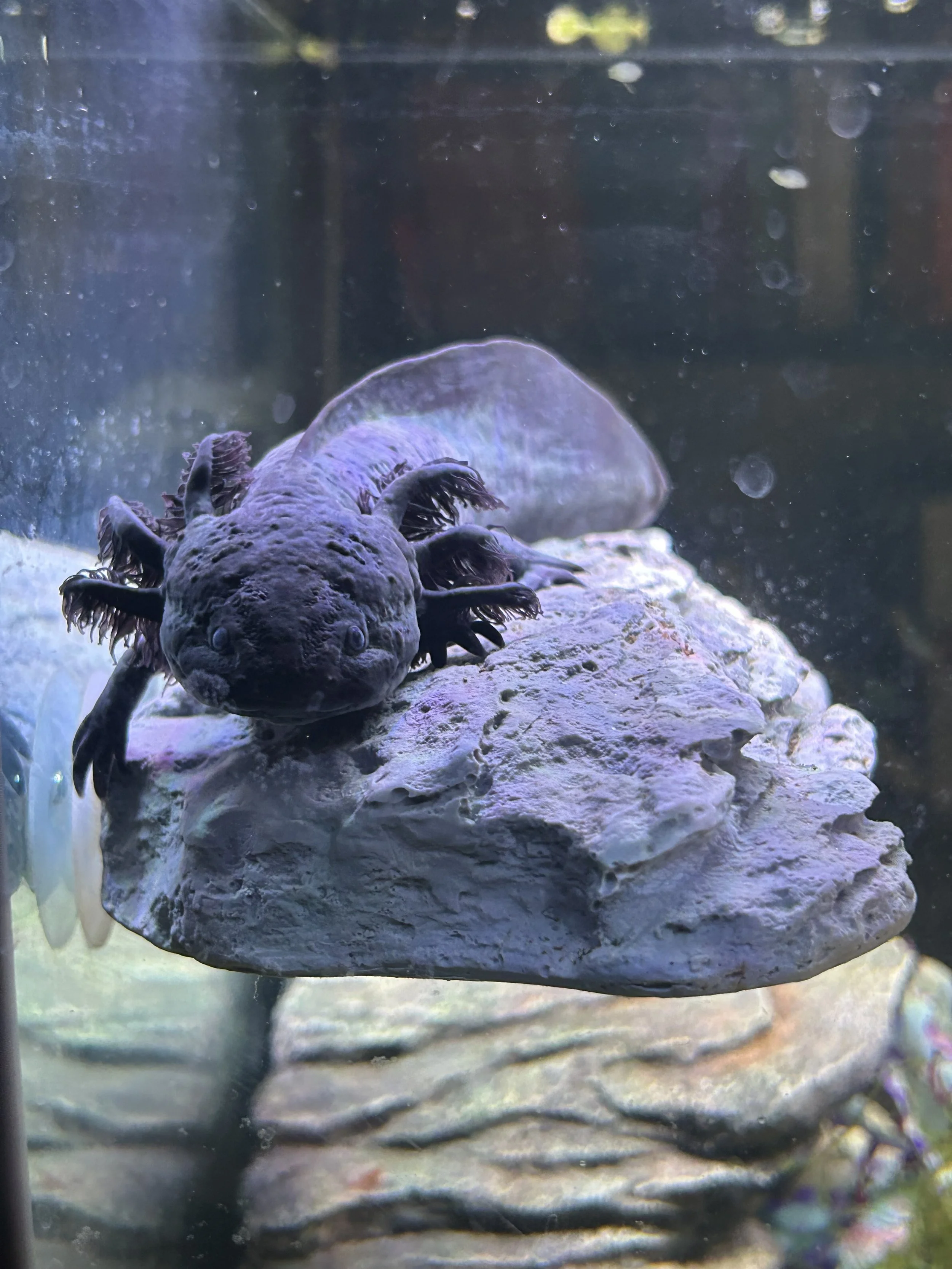
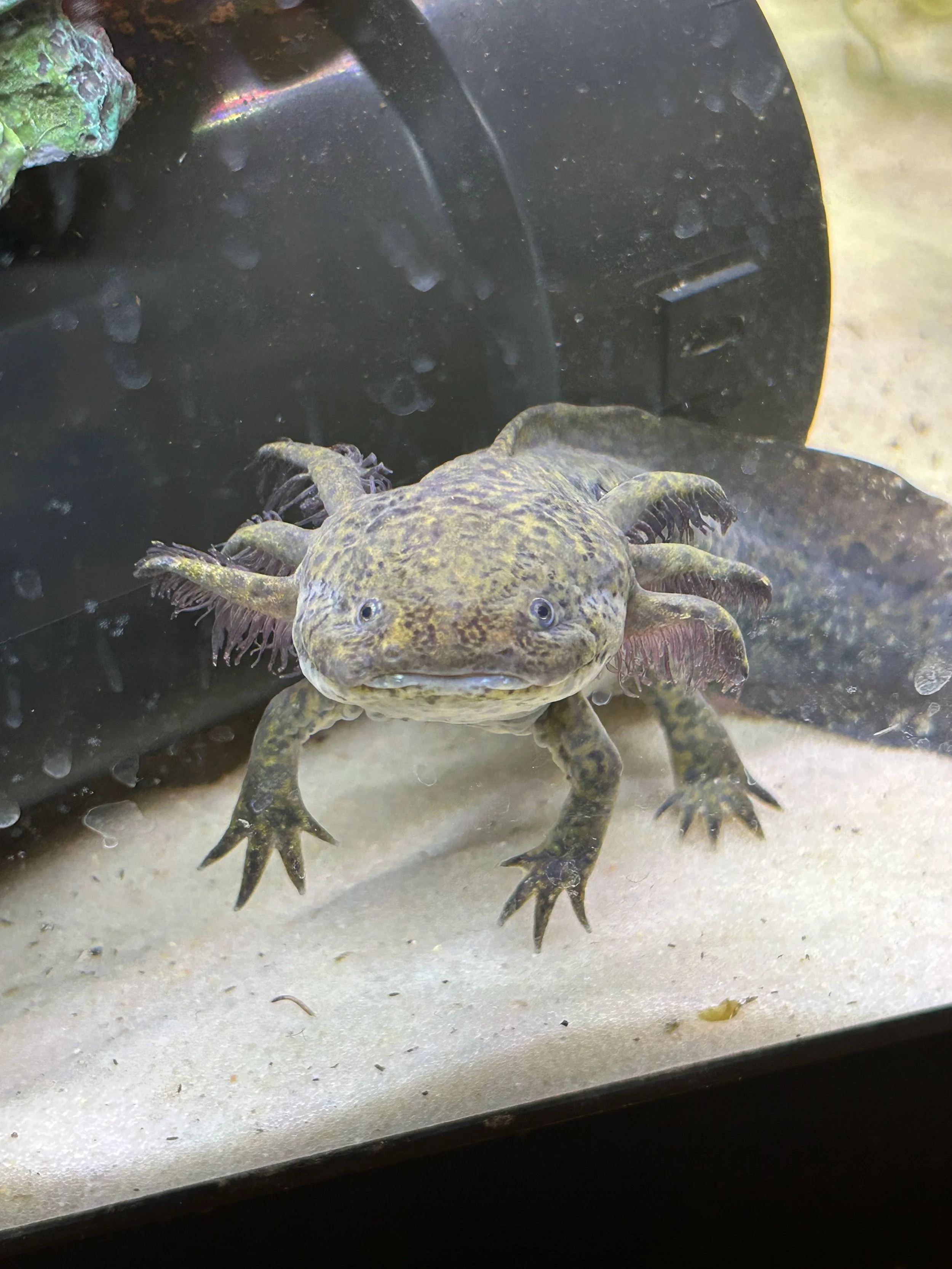
Our Mission
-
We believe in changing loves through kindness and education.
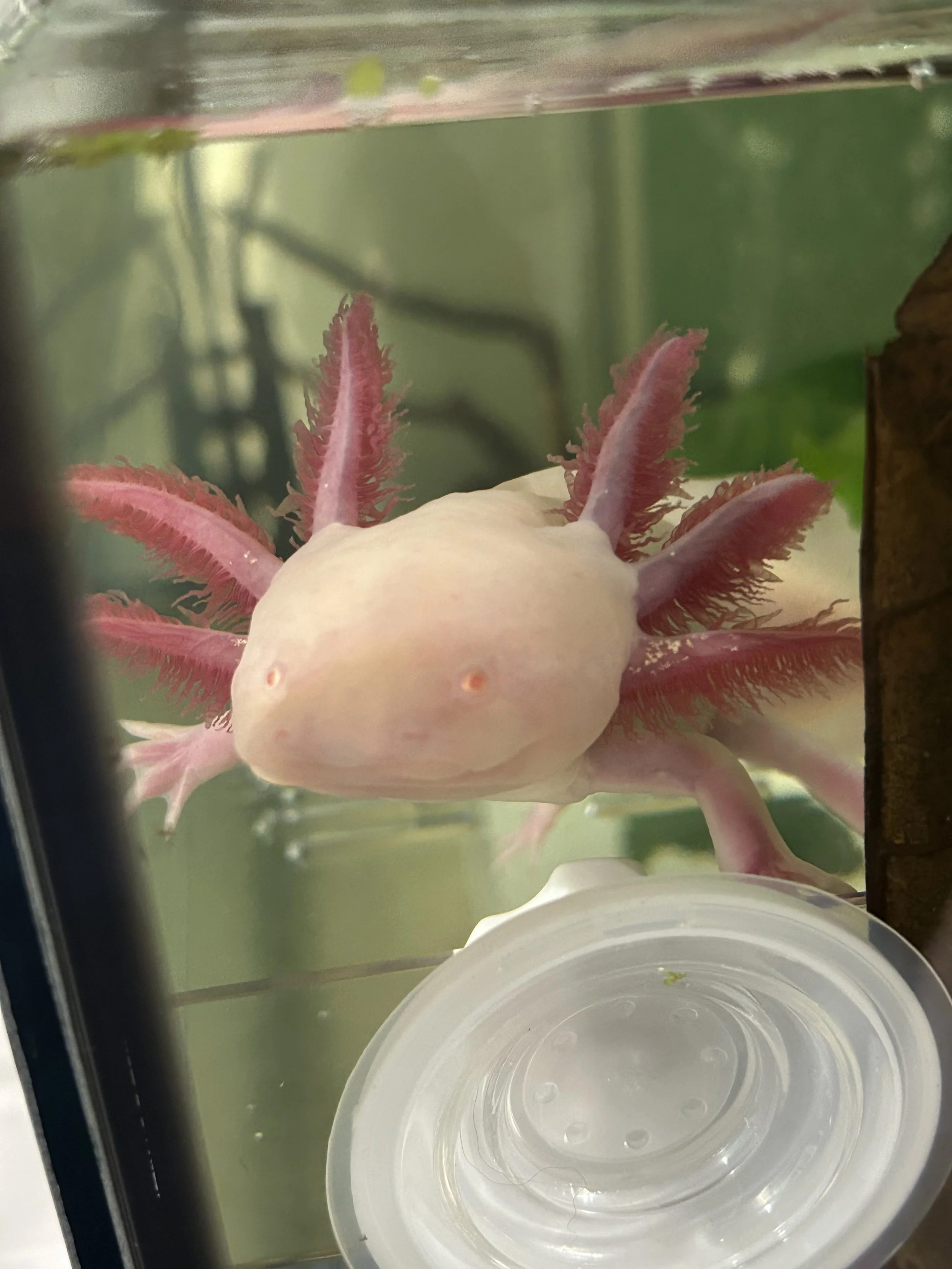
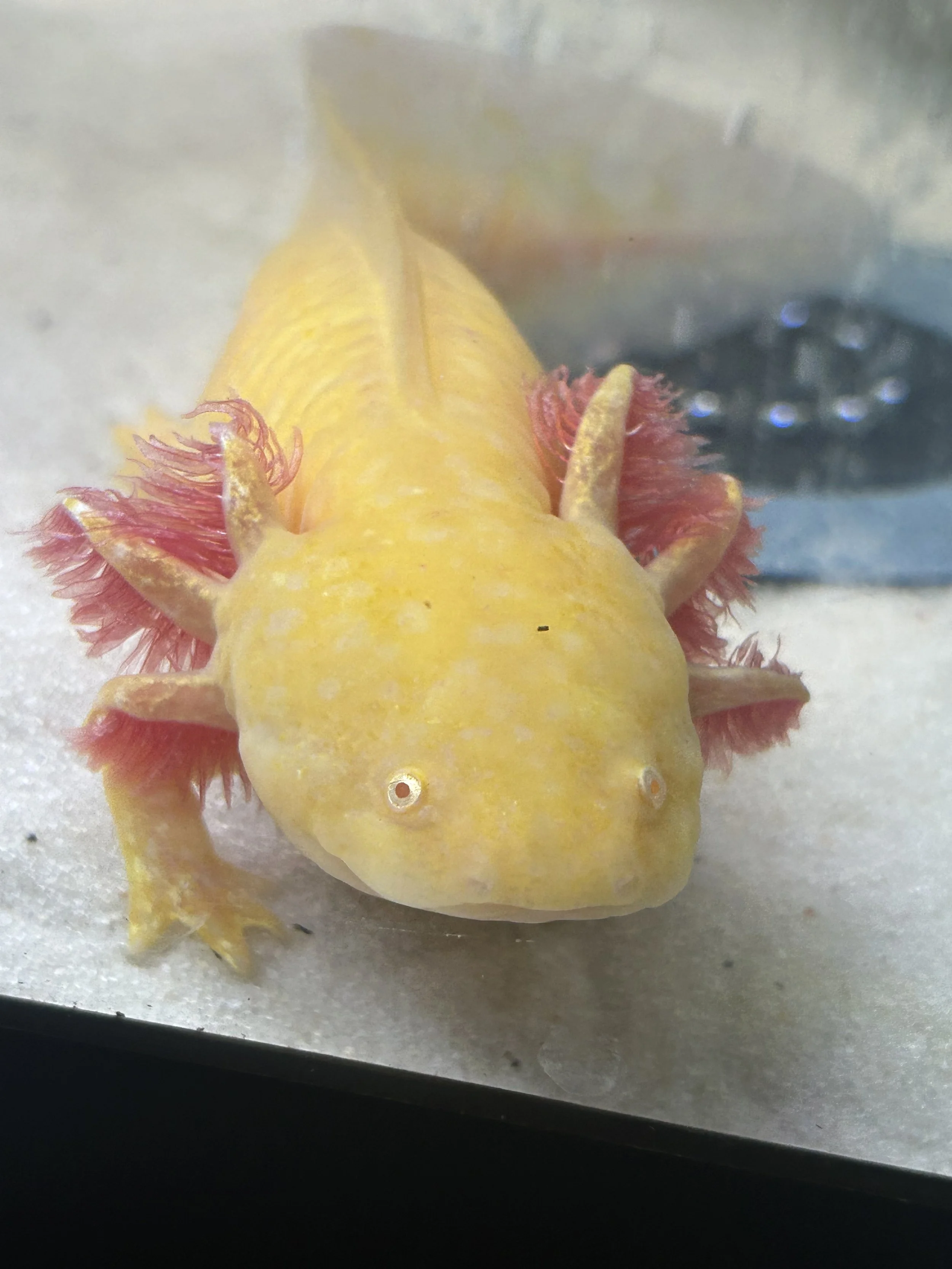
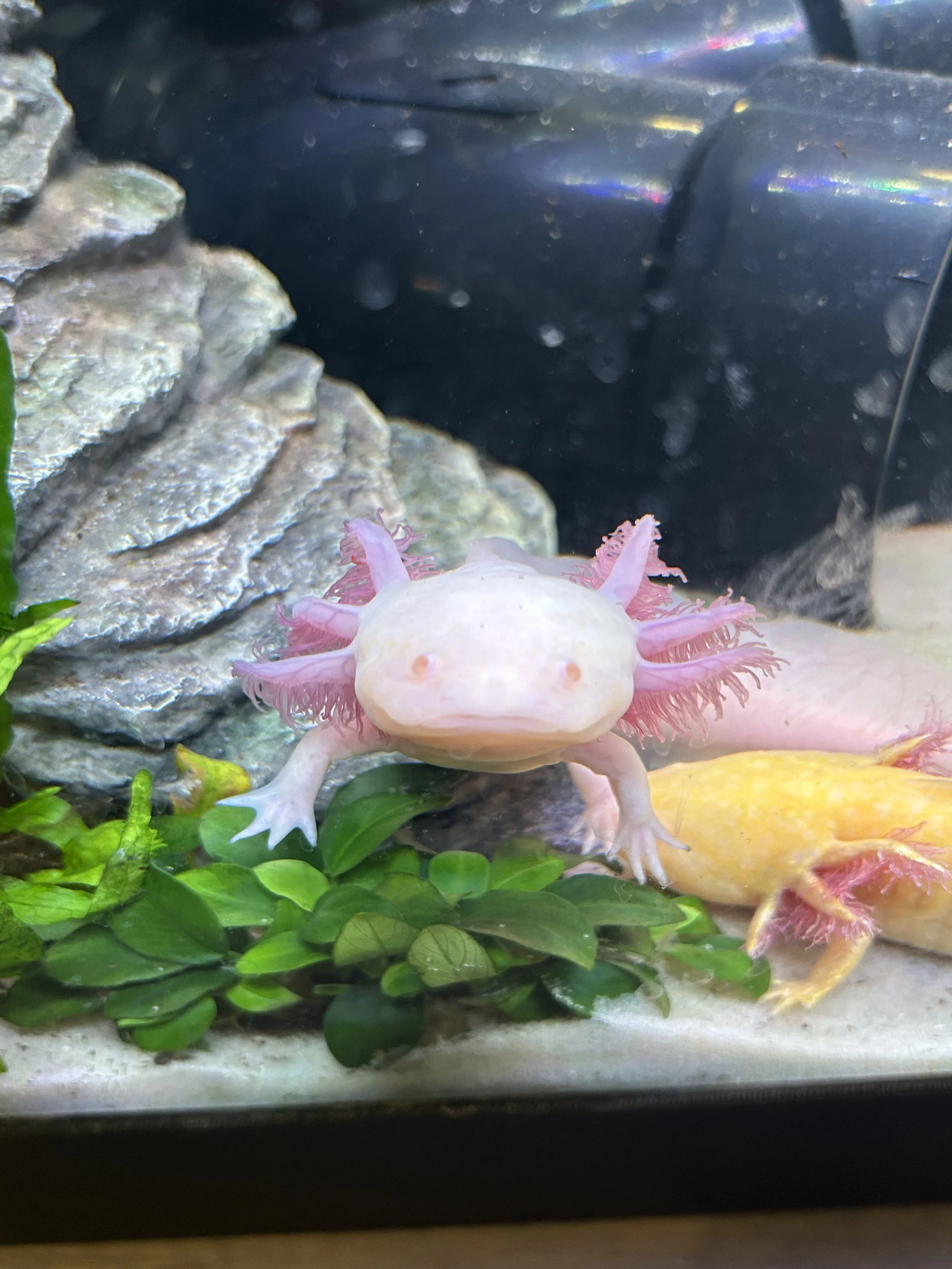
Our mission is to rescue, rehabilitate, and protect axolotls in need while promoting responsible care, education, and long-term conservation of this unique and vulnerable species.
SAVING AXOLOTLS, EDUCATING OWNERS, PROTECTING THEIR FUTURE
-
KINDNESS - We believe kindness changes lives. By treating every axolotl and owner with compassion, dignity, and respect, we create a foundation for meaningful impact. At the heart of our mission is the care of axolotls — especially those who are neglected, injured, or misunderstood — guided by patience, empathy, and a commitment to making our communities better for all.
COMMUNITY COLLABORATION - We believe strong communities create stronger outcomes for animals. By working alongside veterinarians, rescue organizations, educators, and supporters, we aim to build a connected network of care, advocacy, and resources that improves animal welfare within our community.
ANIMAL WELFARE FIRST - Every decision we make prioritizes the health, safety, and quality of life of the animals in our care over convenience, cost, or demand. This includes maintaining proper habitat standards, nutrition, enrichment, medical care, and long-term planning to ensure every axolotl has the opportunity to thrive.
RESPONSIBLE & ETHICAL CARE - We promote responsible axolotl ownership through education, transparency, and ethical practices. We refuse to support harmful breeding, neglectful care, or improper husbandry standards, and we encourage informed, lifelong commitment from owners and adopters alike.
EDUCATION & AWARENESS - We are passionate about helping people understand proper animal care and why it matters. For a unique species like axolotls, education is essential — many animals end up needing rescue due to misinformation or lack of accessible resources. Through outreach, advocacy, and community support, we hope to create a more informed, compassionate future for axolotls everywhere.
-
An axolotl rescue fills a very real gap - because these animals are often sold easily, but understood poorly.
MISINFORMATION ABOUT CARE - Axolotls look simple to keep, but they are not beginner pets. They have very specific habitat conditions and feeding needs. Many owners are not told this upfront, which can lead to stress, illness or abandonment.
IMPULSE BUYING / NOVELTY APPEAL - Because axolotls are unique and cute, they are often purchased on impulse. When the reality of care sets in, some owners are not prepared for the long-term commitment.
IMPROPER HOUSING AND HEALTH ISSUES - Common mistakes - like warm water, gravel substrates, or housing them with incompatible tank mates - can cause serious injuries or illness. Rescuers like YYC Axolotl Sanctuary step in to help rehabilitate animals that wouldn’t survive otherwise.
LACK OF ACCESSIBLE VET CARE - Not all veterinarians are experienced with amphibians. Owners may not know where to turn, and by the time help is found the animals condition can be critical.
REHOMING CHALLENGES - Unlike cats or dogs, there aren’t many established systems for rehoming aquatic amphibians. Rescues provide a safe, knowledgable pathway instead of animals being neglected or surrendered improperly. Rehoming axolotls can be more complicated than it seems, largely because of the cost and expectations tied to their care. A proper set up can be expensive to establish and maintain. When owners decide they can no longer care for their axolotl, they are often reluctant to give it up without trying to recover costs. As a result, axolotls are often listed for high fees or sold to new owners who are uninformed going back to impulsive purchases. We remove this barrier by shifting the focus from cost recovery to animal welfare - ensuring that each axolotls is placed in a home that is prepared, informed and has continued support.
OVERBREEDING OR POOR BREEDING PRACTICES - Some breeders prioritize quantity over health and genetics, leading animals with issues that require rescue or support. Breeding axolotls comes with a range of ethical, genetic and practical challenges. Axolotls in the pet trade often come from limited gene pools. Inbreeding increases risk of deformities, weakened immune systems and shorter lifespans. Many casual or accidental breeders don’t have the background information needed to make responsible pairings.
Breeding for Appearance Over Health - Selective breeding for popular morphs can prioritize looks over health. This can sometimes result in animals that are more fragile or prone to health issues.
Overproduction of Eggs / Uninformed Breeding - Accidental breeding is a surprising common issue with axolotls, largely because they are difficult to sex when young. Juvenile axolotls often look identical - clear physical differences don’t appear until they are 12-18 months old. As a result many owners unknowingly house males and females together. Breeding happens quickly and without warning. A single breeding can result in hundreds of eggs. Raising even a fraction of them properly requires significant time, space, love food cultures, and consistent water quality. Many accidental breeders underestimate this, heading to very poor conditions or unhealthy juveniles.
CONSERVATION AWARENESS - While most pet axolotls are captive bred, wild axolotls are critically endangered. A rescue can educate the public and connect everyday pet care to a broader conservation efforts.